
Reasons Why Spiders Keep Appearing in Your Merriam Basement
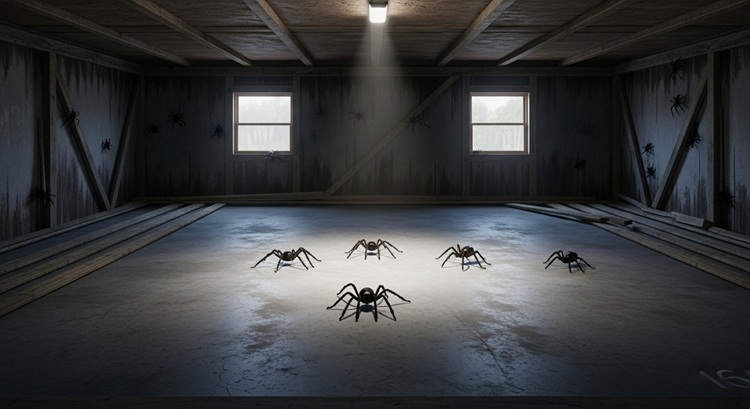
Spiders follow food, moisture, and shelter. They stay in the location where they have access to these needs. They usually end up in basements because of the region’s humidity and the age of many homes in the area. Homeowners must understand the reasons spiders keep showing up to make their basement a place they no longer want to be. They can work with the best Merriam pest control company to help them handle infestations and make their home less attractive to different types of pests. Below are reasons spiders might live in the basement:
Abundance of Insect Population
Spiders are predators, so they follow their prey. A well-fed spider population in the basement can indicate this area has an underlying insect problem. Common insects that draw spiders into Merriam basements include:
- Fungus gnats and moisture flies. These breed in areas with standing water or damp soil near the foundation. They provide spiders with a consistent and easy food source close to floor level.
- Crickets. These are abundant in the Kansas City metro area and frequently find their way into basements through foundation gaps and window wells. They are a primary food source for larger basement spiders.
- Pill bugs and millipedes. These enter through soil-level cracks and thrive in humid basement environments. They attract ground-level spiders that hunt along the floor.
- Stored product insects like grain beetles and pantry moths. These emerge from improperly stored food items and become prey for spiders in adjacent areas of the basement.
Address the insect population through exclusion, moisture control, and targeted treatment to remove the food supply that keeps spiders coming back.
Moisture Levels Create an Ideal Habitat
Spiders need water to survive, and many of the species common to Merriam basements prefer humid environments. A basement with elevated moisture levels can offer a livable climate that spiders actively seek out and settle into.
Merriam’s climate brings significant spring rainfall and humid summers that put consistent moisture pressure on basement walls and floors. Humidity in your basement might be high enough to support a thriving spider population if your basement has a musty smell, visible condensation on pipes or walls, or any history of water intrusion after heavy rain.
A dehumidifier set to maintain relative humidity below 50 percent can help address the problem. Also, repair foundation cracks promptly and ensure proper grading of soil away from the home’s exterior.
Clutter and Undisturbed Storage Give Spiders Perfect Cover
Spiders gravitate toward areas that offer cover, stability, and minimal disturbance. Boxes stacked against walls, furniture pushed into corners, and piles of seasonal items that don’t get touched for months at a time can offer spiders an undisturbed refuge. Specific storage habits that make basements more hospitable to spiders:
- Cardboard boxes left directly on the floor. These can retain moisture and create dark harborage zones along the base of walls where spiders prefer to travel.
- Stored clothing, linens, and soft goods left in open bins or bags. Spiders use them as nesting material and shelter.
- Furniture and large items pushed flush against the walls with no gap for inspection or air circulation. These can create dark zones that spiders occupy.
- Seasonal decorations and rarely used equipment. These can give spiders the long-term stability they need to establish a permanent presence.
Switch from cardboard to sealed plastic bins. Pull storage items away from walls, and do a thorough reorganization at least twice a year.
Your Basement Has Many Entry Points
Spiders are small and flexible, so they do not need a big opening to gain access. They can exploit a hairline crack in the foundation or a slightly ill-fitting window frame.
Older homes in Merriam have more of these entry points. They can be concentrated in areas that don’t get regular inspection. Entry points that commonly go unaddressed in Merriam basements include gaps around basement window frames, foundation cracks, and spaces around utility penetrations.



Leave a reply
You must be logged in to post a comment.


