
What Type of Plumbing Is Best in Winnipeg?
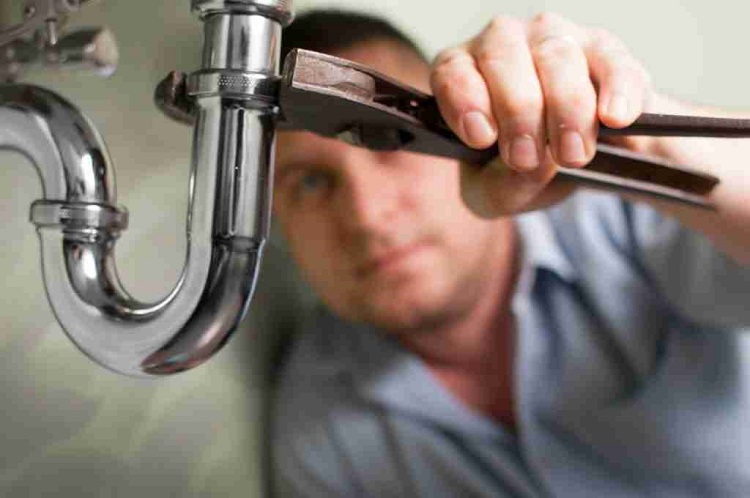
Water is transported to and from appliances and fixtures via a variety of domestic plumbing types. The variety of pipeline material possibilities might make the process of contacting a plumber. Doing a do-it-yourself plumbing installation at home is difficult.
Which duct is best for interior and outdoor water supply, lymphatic drainage, and sewer? To assist you in selecting the appropriate material for your application and location. We will share and deconstruct typical plumbing materials including PEX, copper, and ABS.
PEX
Liquid is supplied using PEX (cross-linked polyethylene), a sturdy plastic piping. Although it is malleable enough to weave around crawlspaces, basements, and walls. It is stiff enough to endure the pressures of the supply.
In comparison to many other piping materials, it is also substantially less costly. PEX pipes are available in sizes up to 3 inches. However, they are often encountered in 1/2-inch as well as 3/4-inch dimensions – what type of plumbing is best in Winnipeg, anyway? You should contact or visit the experts to find out.
By the way, this type is simple to connect and cut. Additionally, they are usually labeled red for hot water and blue for cold.
Use for: These are used to provide cold and hot water throughout the residence. Reclaimed water is also cycled using PEX. The purple marking on the piping indicates the kind of liquid. And also helps to differentiate it from liquid for drinking. PEX can also be used for hydronic distribution and pipework, such as radiators.
PVC
Waste lines frequently employ PVC or polyvinyl chloride, a white plastic material. Because it was easier to handle and lighter than conventional galvanized steel, it first became popular. It is also quite durable and reasonably priced.
Installing PVC is simple, and all you need is a miter box and a hacksaw. Solvents are used to bond it together.
Use for: High-pressure applications are not rated for PVC pipelines and fittings. Utilize this for vent lines and drainage within the home. Since building rules restrict it to drain, waste, and vent or DWV uses. PVC is frequently used to deliver liquid for outside watering that is below ground.
Rigid Copper
The bright reddish-brown hue of copper pipes indicates that they are mostly made of pure copper. Home supply lines are frequently made of rigid copper. It is prized because, in contrast to other pipe materials it might leak chemicals. Such plastics pose no health dangers. Read https://legacy.winnipeg.ca/waterandwaste/water/quality.stm for your awareness.
In addition to being highly resistant, rigid copper is readily cut using a hacksaw or tube cutter. But the cost is high.
Employ for: Showers, tubs, sinks, and other fixtures frequently employ rigid copper piping. Despite being referred to as rigid. This tubing is somewhat bendable. There are three safe ways to bend this: using a particular tool, filling the pipeline with salt or sand, or inserting a spring.
ABS
An acrylonitrile butadiene styrene is black and slightly softer than PVCs. It is composed of a thermoplastic resin. It serves primarily as a drain line and vent.
Although it can distort and deteriorate due to sun exposure, this type is rather robust and an affordable option. However, similar to PVC, not all building codes will permit it. So be sure to verify your local laws.
Use for: ABS may be utilized for both indoor and outdoor plumbing. But only for drain, waste, and vent or DWV purposes indoors.
Flexi or Braided
Flexible tubing is sometimes referred to as “flexi” for shorter term or braided. It is usually composed of stainless steel.
It is frequently utilized for last-minute plumbing hookups to fixtures. Such as sinks, toilets, and heaters. Generally speaking, it is not allowed to be used within walls or floors.
There are several sizes and lengths of flexi pipelines available. Although it frequently fails after decades of wear and strain, it is rather durable. Even while you usually don’t require much of it to perform a job, it is also pricey.
Galvanized Steel and Cast Iron
For many years, galvanized steel—rigid, corrosion-resistant steel piping—was utilized for a variety of applications. This includes gas or water supply, and drainage.
Although it is still in use, galvanized steel is far less frequently employed for aquatic delivery in freshly built or remodeling projects. Despite its outstanding endurance, the cost of installation is high.
Single piping is fastened into one another using connection fittings after every point of the tube has been threaded. Sewers and other drainage applications frequently employ cast iron, which is stiff, dark gray pipework. You may click this to learn more.
Many residences still have it, and some corporate and high-rise construction uses also utilize it today. Although cast iron is pricey, it lasts a long time.
It’s still viable until it rusts all the way through. It is also rather hefty and challenging to cut. Rigid plastic pipes, including ABS, are frequently used in retrofits in place of cast iron pipes.




Leave a reply
You must be logged in to post a comment.


