
DIY Meets Design: Affordable Ways to Upgrade Small Home Offices
Introduction: The Rise of the Small Home Office
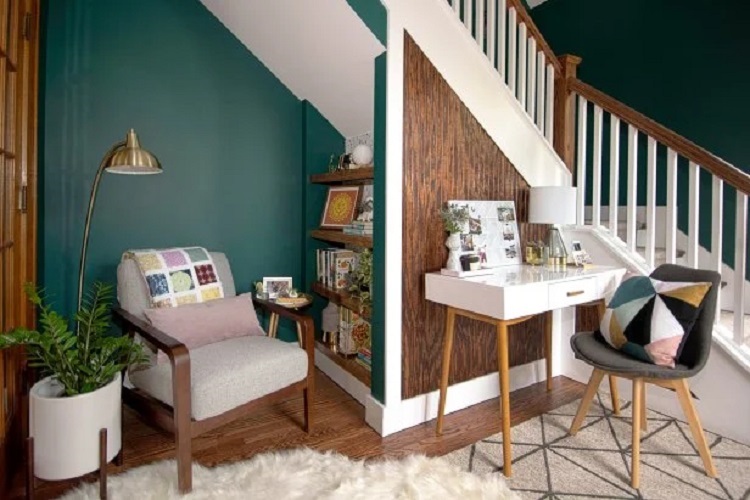
Over the past few years, the way we use our homes has shifted dramatically. Spare bedrooms, corners of dining areas, and even converted garages have become essential workspaces. A small home office is no longer a luxury; it’s a necessity for remote workers, students, and anyone trying to juggle work-life balance from within four walls.
But designing a productive workspace in a small footprint can feel overwhelming. The good news? With a few clever DIY hacks and the right furniture choices, you can transform even the tiniest nook into an inspiring office. And when your DIY skills hit their limit, professional small office fitouts can take things to the next level.
1. Start with Seating That Lasts
When people think about DIY home offices, they often focus on paint colours or desk placement. Yet the most important investment is often overlooked: your chair.
Hours spent in the wrong chair can cause back strain, fatigue, and poor posture. While budget chairs may be tempting, they’re rarely designed to handle daily use over the long term. This is where durability and certified safety standards come into play.
For example, choosing an AFRDI Level 6 certified chair means you’re getting seating that has been independently tested for strength, stability, and ergonomics. These chairs are built for heavy use, making them ideal not only for commercial offices but also for home setups where you need professional-grade support.
DIY styling tip: pair a high-quality ergonomic chair with a cosy throw or a stylish cushion to soften the look while keeping the performance benefits intact.
2. Maximise Space with Smart Furniture Layouts
One of the biggest challenges in small home offices is making the most of limited floor space. That’s where the right desk design can make or break your setup.
A traditional straight desk can feel cramped, especially if you’re trying to fit in monitors, storage, and paperwork. A smarter option is to opt for an L Shaped Desk.
Here’s why it works so well for DIY-minded homeowners:
- Efficient use of corners – transforms wasted space into a functional workstation.
- Dual surfaces – one side for tech, the other for paperwork or creative projects.
- Zoning effect – makes even a small room feel more structured, creating a clear separation between “work” and “rest” zones.
If you’re tackling this as a DIY project, consider floating shelves above one side of the desk to add vertical storage. You can also run hidden cable trays beneath to keep cords neat and preserve that minimalist look.
3. Bring Personality into the Space
A small office doesn’t have to be bland or overly corporate. In fact, DIY touches are what make home workspaces feel truly personal.
Some quick, budget-friendly upgrades include:
- Peel-and-stick wallpaper: Apply it behind your desk for an instant feature wall.
- DIY pinboards: Frame corkboard with leftover timber or paint it to match your decor.
- Upcycled storage: Repurpose vintage crates or baskets for files and stationery.
- Lighting hacks: Swap standard desk lamps for wall-mounted sconces to save surface space.
These changes not only save money but also create a motivating environment that reflects your personality.
4. Don’t Forget About Ergonomics
DIY projects can sometimes prioritise looks over function, but ergonomics is where both worlds meet. Even the most beautiful workspace won’t serve you well if it isn’t comfortable.
- Monitor height: Use a monitor arm or even a DIY riser made from reclaimed wood to ensure your screen is at eye level.
- Keyboard position: Keep your arms at a 90-degree angle — a keyboard tray can be a simple weekend project.
- Movement breaks: Build in reminders to stand, stretch, or switch to a different surface during the day.
Pair these tips with certified seating, like an AFRDI-tested chair, and you’ll avoid many of the aches and pains that come from makeshift setups.
5. When DIY Isn’t Enough
There’s a point where even the most creative DIYer realises their space needs professional input. Maybe you’ve outgrown your makeshift desk, or perhaps your small office doubles as a client-facing space and needs to look polished.
That’s when it makes sense to explore small office fitouts. Professional fit-out services can:
- Provide customised layouts that maximise every inch of space.
- Ensure compliance with safety and ergonomic standards.
- Incorporate technology integration, like cable management or smart lighting.
- Deliver a finish that blends seamlessly with your home style.
DIY and professional design don’t have to compete — they complement each other. You can add personality and cost-saving upgrades, while fit-out specialists handle the structure and long-term planning.
6. Style Meets Function: The Finishing Touches
Once your key pieces are in place, it’s the finishing touches that elevate your office. Think of this as the fun part — the styling layer that ties everything together.
- Plants: Add greenery for natural air purification and a calming vibe.
- Artwork: Print your favourite quotes or abstract designs to inspire creativity.
- Rugs: Define the office zone in a multi-purpose room with a small area rug.
- Storage baskets: Keep supplies handy but hidden, so your desk feels uncluttered.
Even on a budget, these little details can transform a functional space into one that you actually look forward to using every day.
Conclusion: Blending DIY Creativity with Smart Design
Designing a small home office doesn’t have to be expensive or complicated. With a mix of clever DIY upgrades, smart furniture choices like an L Shaped Desk, and reliable ergonomic options such as AFRDI Level 6 certified chairs, you can create a workspace that’s both stylish and supportive.
And when you’re ready to go beyond quick fixes, investing in small office fitouts ensures your space is professionally optimised for comfort, productivity, and long-term value.
The takeaway? Your home office can be beautiful, functional, and uniquely yours — a place where DIY meets design.



Leave a reply
You must be logged in to post a comment.


