
The Silent Crisis Behind Closed Doors: How One Simple Oversight Transforms Homes Into Health Hazards
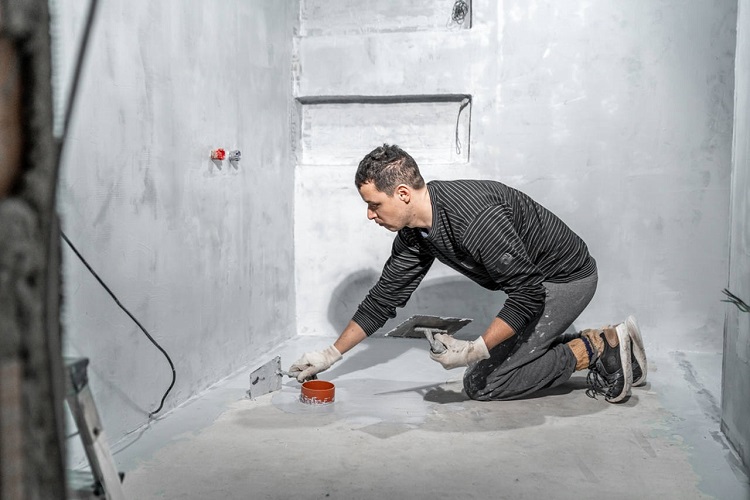
Toilet waterproofing might seem like an invisible concern—something tucked away behind tiles and beneath floors—yet it stands as the guardian between domestic tranquillity and a cascade of problems that can unravel the very foundation of home life. In Singapore’s dense urban landscape, where families live in close quarters and moisture hangs perpetually in the air, this hidden infrastructure carries the weight of public health, structural integrity, and peace of mind.
The Human Cost of Invisible Failures
Behind every waterproofing failure lies a human story. There’s the young mother who discovered black mould creeping up her bathroom walls just as her toddler began experiencing persistent coughing fits. The elderly couple whose retirement savings drained away through emergency repairs when water seeped into their neighbour’s flat below, triggering legal disputes that lasted months. The migrant worker whose small rental room became uninhabitable when toilet leaks created a breeding ground for bacteria that no amount of cleaning could eliminate.
These aren’t isolated incidents—they’re part of a larger narrative that unfolds daily across Singapore’s 1.4 million households. The Building and Construction Authority receives thousands of waterproofing-related complaints annually, with toilet areas accounting for nearly 60% of residential water damage cases. As one BCA technical officer noted in a recent housing forum: “Toilet waterproofing failures create ripple effects that extend far beyond the original bathroom—affecting air quality, structural integrity, and neighbourhood relationships.”
The Science of Sanctuary: Understanding What Lies Beneath
In Singapore’s tropical embrace, where humidity rarely drops below 70% and temperatures fluctuate between air-conditioned comfort and sweltering heat, bathrooms become laboratories of moisture dynamics. Every shower, every flush, every condensation droplet contributes to an environment that challenges even the most robust waterproofing systems.
The Anatomy of Vulnerability:
• Substrate movement caused by thermal expansion and contraction throughout Singapore’s daily temperature cycles
• Hydrostatic pressure building up behind tiles when drainage systems become compromised
• Chemical degradation from cleaning products that slowly erode protective barriers
• Mechanical stress from daily foot traffic and fixture movement over time
Water doesn’t simply pool and disappear—it finds pathways through microscopic cracks, behind fixtures, around pipe penetrations. In Singapore’s high-rise living, what begins as a minor seepage in one unit can manifest as ceiling stains, electrical hazards, or structural damage in units below, creating complex chains of responsibility and remediation.
Beyond the Technical: Cultural and Social Dimensions
Singapore’s multicultural tapestry brings diverse bathroom usage patterns that influence waterproofing needs. Traditional bathing practices, religious ablution requirements, and varying family sizes create different moisture loads and usage intensities. What works for a minimalist lifestyle might fail under the demands of a multi-generational household where the bathroom serves ceremonial as well as practical functions.
The Housing Development Board’s comprehensive study on bathroom waterproofing noted: “Effective waterproofing systems must accommodate not just technical requirements but the diverse cultural practices that define how Singaporeans use these essential spaces.” This recognition acknowledges that waterproofing isn’t merely an engineering challenge—it’s about understanding how people live, worship, and maintain dignity in their most private spaces.
The Economics of Prevention vs. Reaction
Every waterproofing decision carries economic implications that extend beyond immediate material costs. Consider the mathematics of neglect: a comprehensive toilet waterproofing system might cost S$2,000-4,000 for a typical HDB flat bathroom. Emergency repairs following water damage typically exceed S$15,000-25,000, not including temporary accommodation costs, legal fees, or compensation to affected neighbours.
The Hidden Calculations:
• Insurance implications where policies exclude damage from poor maintenance
• Property value impact as buyers increasingly scrutinise waterproofing history
• Rental market consequences where water damage stigmatises properties for years
• Health-related expenses from mould exposure and related respiratory conditions
Singapore’s Strata Titles Board handles hundreds of inter-unit disputes annually related to water seepage, with legal costs often exceeding original repair expenses. These cases reveal how waterproofing transcends individual property concerns to become community issues affecting neighbourhood harmony and collective property values.
Modern Solutions for Ancient Problems
Today’s waterproofing technologies read like poetry compared to the crude bitumen applications of previous generations. Advanced polymer membranes stretch and flex with building movement whilst maintaining watertight integrity. Crystalline additives actually heal small cracks by reacting with moisture to form permanent seals. Green waterproofing systems incorporate recycled materials whilst delivering superior performance.
Revolutionary Approaches:
• Smart monitoring systems that detect moisture intrusion before visible damage occurs
• Bio-based sealants that provide antimicrobial protection alongside waterproofing
• Modular installation methods that minimise disruption to daily routines
• Integrated drainage solutions that eliminate standing water at its source
The Building and Construction Authority’s latest technical guidelines emphasise system thinking: “Effective toilet waterproofing requires integration of multiple protection layers, from substrate preparation through surface finishing, designed as a cohesive system rather than individual components.”
The Professional Imperative: Why Expertise Matters
In Singapore’s regulated environment, waterproofing carries legal dimensions that amateur approaches simply cannot address. Professional installation provides not just technical competence but liability protection, warranty coverage, and compliance with building codes that protect property owners from future disputes.
Quality waterproofing professionals understand substrate conditions, moisture dynamics, and compatibility requirements that determine long-term performance. They recognise that successful waterproofing begins before the first membrane is applied—with proper diagnosis, substrate preparation, and system design tailored to specific conditions.
A Future Built on Solid Foundations
Singapore’s vision as a liveable, sustainable city depends partly on infrastructure that performs invisibly and reliably. Every properly waterproofed bathroom contributes to this larger goal—reducing water waste, preventing structural degradation, maintaining indoor air quality, and preserving the social fabric that comes from neighbours who trust each other’s maintenance commitments.
The choice facing every property owner reflects broader questions about responsibility, community, and the kind of society we build together. In a nation where individual actions affect collective wellbeing, investing in proper toilet waterproofing becomes an act of civic responsibility as much as personal protection.


Leave a reply
You must be logged in to post a comment.


