
Protect Your Home: Ultimate Toilet and Bathroom Waterproofing Guide
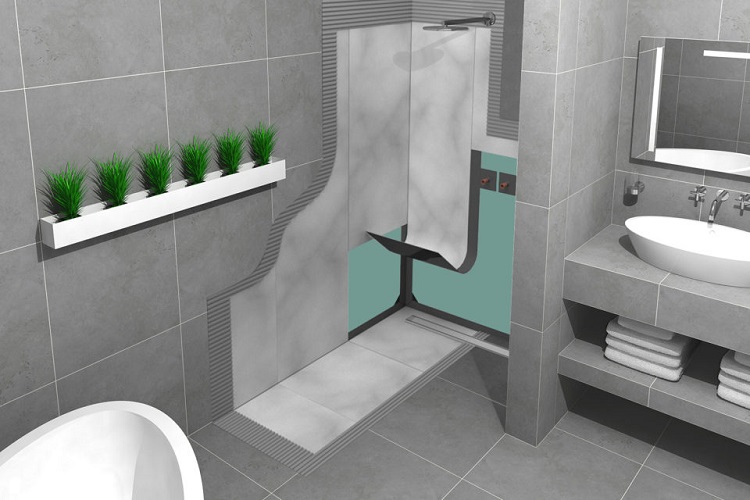
Waterproofing toilet floor areas represents one of the most critical investments any homeowner can make to protect their property from devastating water damage. The statistics tell a sobering story: water seepage remains the leading cause of structural deterioration in residential properties, with toilets and bathrooms serving as the epicentre of most leakage disasters. Yet despite this reality, countless homeowners continue to postpone essential waterproofing measures until an emergency strikes, often when it’s already too late.
Why Waterproofing Your Toilet Floor Cannot Wait
The science behind water damage is brutally simple. Water follows the path of least resistance, and in older buildings, particularly deteriorated waterproofing membranes create perfect entry points for moisture infiltration. Once water penetrates beneath floor tiles, it begins an insidious journey through concrete slabs, eventually manifesting as ceiling stains, mould growth, and structural compromise in units below.
Singapore’s Housing & Development Board understands this threat intimately. Their regulations mandate that “if you hack or remove existing toilet floor tiles during renovation, you must replace the waterproofing membrane”, a requirement that underscores the critical nature of proper toilet floor waterproofing.
The Hidden Costs of Neglecting Toilet Floor Waterproofing
The financial implications extend far beyond initial repair costs. Consider these cascading consequences:
• Structural damage: Continuous moisture exposure weakens concrete, leading to expensive remediation work
• Health hazards: Persistent dampness creates ideal breeding conditions for toxic mould spores
• Electrical risks: Water infiltration near electrical systems poses serious electrocution dangers
• Legal complications: Neighbour disputes and potential liability issues when leaks affect adjoining properties
• Property devaluation: Water damage significantly reduces market value and buyer appeal
Understanding Singapore’s Stringent Waterproofing Requirements
Singapore’s building authorities don’t leave waterproofing to chance. The regulatory framework includes several non-negotiable requirements:
“Pre-packed waterproofing screed and waterproofing membrane must be used in bathrooms/toilets before laying new floor finishes”, according to HDB guidelines. Additionally, “a waterproofing membrane must be provided around the sanitary stacks for an area of a 400mm radius”.
Perhaps most importantly, “newly built flats have a 3-year restriction period in place for the removal of wall and floor finishes in bathrooms and toilets”. This restriction exists because waterproofing membranes require time to stabilise properly.
Traditional vs. No-Hacking Waterproofing Solutions
The bathroom waterproofing industry has evolved dramatically, offering homeowners two distinct approaches:
Traditional Hacking Method
This comprehensive approach involves complete tile removal, membrane replacement, and re-tiling. While thorough, it’s time-intensive, messy, and expensive. The process typically requires:
• Complete bathroom evacuation for 5-7 days
• Substantial waste disposal and cleanup
• Higher material and labour costs
• Potential discovery of additional structural issues
No-Hacking Waterproofing
Revolutionary techniques now allow effective waterproofing without tile removal. These methods utilise advanced materials like nano-technology coatings or epoxy flake systems applied directly over existing surfaces.
Key advantages include:
• Speed: “Typically for a toilet floor, it would take 1 day for complete installation”
• Cost efficiency: Elimination of hacking and re-tiling expenses
• Minimal disruption: Bathrooms remain largely functional throughout treatment
• Environmental benefits: Significant waste reduction compared to traditional methods
Essential Waterproofing Materials and Techniques
Professional waterproofing requires specific materials designed for high-moisture environments. Quality systems typically incorporate:
• Liquid waterproofing membranes: Flexible coatings that adapt to structural movement
• Sheet membranes: Additional protection at critical joints and corners
• Epoxy-based systems: Durable solutions offering both waterproofing and anti-slip properties
• Polyurethane injection: Targeted treatment for specific leak points
Singapore’s climate demands particularly robust solutions. The combination of high humidity, frequent rainfall, and temperature fluctuations creates challenging conditions that inferior waterproofing systems simply cannot withstand.
Warning Signs Your Toilet Floor Needs Immediate Attention
Recognising early warning signs can prevent catastrophic damage:
• Discoloured or peeling ceiling paint in rooms below
• Musty odours suggesting hidden mould growth
• Loose or cracked tiles around toilet bases
• Water stains appearing on adjacent walls
• Persistent dampness despite adequate ventilation
Professional Assessment: The Critical First Step
Effective toilet floor waterproofing begins with a thorough professional assessment. Experienced contractors examine substrate conditions, identify failure points, and recommend appropriate solutions based on specific circumstances.
“You and your renovation contractor must conduct a water test on the bathroom/toilet upon completing the replacement of floor finishes” This requirement ensures waterproofing integrity before project completion.
Maintenance: Protecting Your Investment
Waterproofing systems require ongoing maintenance to remain effective:
• Regular sealant inspection around toilet bases and pipe penetrations
• Prompt reapplication of cracked or peeling sealants
• Debris removal from floor traps to prevent water pooling
• Avoidance of harsh chemical cleaners that damage grout and sealants
Long-term Benefits Beyond Leak Prevention
Quality waterproofing delivers advantages extending well beyond moisture control. Properly sealed surfaces provide improved thermal insulation, reducing energy costs. They also enable design flexibility, allowing homeowners to incorporate modern fixtures and contemporary styling elements safely.
The Bottom Line
Water damage remains one of the most preventable yet destructive forces affecting residential properties. The evidence is overwhelming: proactive waterproofing costs a fraction of reactive damage repair while providing decades of protection and peace of mind.
Singapore’s regulatory framework reflects this reality, mandating specific waterproofing standards that protect both individual homeowners and the broader community. Whether choosing traditional hacking methods or innovative no-hacking solutions, the key lies in acting before problems manifest.
Smart homeowners understand that waterproofing represents insurance against catastrophic damage, legal complications, and health hazards. In Singapore’s challenging climate, comprehensive bathroom waterproofing isn’t just recommended, it’s essential.


Leave a reply
You must be logged in to post a comment.


