
Comprehensive Guide to Water Damage Restoration in Hawaii Homes
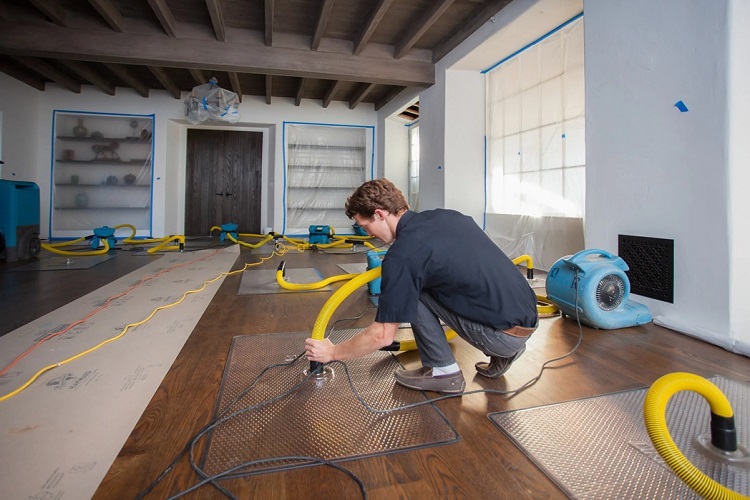
Hawaii’s tropical weather brings both beauty and challenges. Frequent rain, ocean humidity, and seasonal storms make water damage restoration a critical part of home maintenance. Handling issues quickly helps protect your property and avoid expensive repairs.
This guide outlines the causes of water damage, how to address it, and how to prevent it in the future.
Common Causes of Water Damage in Hawaii Homes
Understanding where water problems begin is key to preventing them. The most frequent causes include:
- Severe weather: Intense rain and tropical storms can cause flooding or roof leaks.
- Plumbing failures: Burst pipes, leaking appliances, and faulty water heaters often lead to interior flooding.
- Roof wear and seal deterioration: Damaged flashing or loose shingles allow water intrusion.
- High humidity and poor ventilation: Persistent moisture encourages hidden mold growth even without visible leaks.
Water Damage Restoration Process
When water damage occurs, a structured response helps limit the impact and restore your home safely and efficiently.
1. Prioritize Safety
Shut off power in affected areas and avoid contact with standing water until safety is confirmed. If flooding originates outdoors or you notice structural instability, evacuate immediately.
2. Document the Damage
Photograph and record all affected areas before cleanup. Accurate documentation supports insurance claims and guides restoration efforts.
3. Stop the Source
Identify and eliminate the water source by closing the main valve, patching leaks, or diverting surface water. Preventing additional intrusion is the first step toward restoration.
4. Extract and Dry Thoroughly
Use a pump or wet vacuum to remove standing water, then thoroughly dry the area with fans and dehumidifiers to avoid mold growth.
5. Clean, Sanitize, and Repair
Disinfect all exposed surfaces to prevent the growth of bacteria and fungi. Replace damaged drywall, insulation, or flooring, and inspect structural components before refinishing or repainting.
Prevention Strategies for Hawaii Homeowners
Preventing water damage is far more effective than repairing it. The following strategies are critical in Hawaii’s moist, storm-prone climate:
1. Maintain Roofs and Gutters
Keep gutters clear and ensure downspouts direct water away from your foundation. Inspect roof flashing and reseal around vents or skylights to prevent leaks during heavy rain.
2. Inspect Plumbing Regularly
Schedule periodic plumbing checks and replace aging or corroded parts. In coastal areas, use corrosion-resistant fittings to extend system life.
3. Manage Indoor Humidity
Use dehumidifiers or air conditioning to regulate moisture levels. Ensure bathroom and kitchen vents exhaust outdoors rather than into attics or crawl spaces to prevent condensation buildup.
4. Seal Foundations and Crawl Spaces
Install moisture barriers and verify that exterior grading diverts water away from your home. Consider drainage solutions such as French drains where water tends to pool.
5. Install Leak Detection Systems
Smart sensors and automatic shut-off valves can detect leaks early and stop water flow before major damage occurs.
6. Inspect After Heavy Storms
After major weather events, inspect roofs, windows, and baseboards for signs of moisture or staining. Quick attention prevents minor issues from escalating.
When to Call a Professional
Some situations require specialized equipment and expertise. Contact a certified restoration professional if:
- Water covers a large area or persists for more than 24 hours.
- Structural materials like beams, floors, or insulation are saturated.
- Mold, odors, or health symptoms develop after initial cleanup.
- Flooding involves contaminated water from outside sources.
- You need detailed documentation for insurance or property records.
Professionals use industrial-grade dehumidifiers, thermal imaging, and moisture mapping to ensure all hidden areas are thoroughly dried and restored.
Ongoing Maintenance Checklist
Regular upkeep helps prevent repeat water damage. Review this checklist twice a year and after major storms:
- Clean gutters and downspouts: Keep them clear to ensure proper drainage.
- Inspect roofs and seals: Replace damaged shingles and repair flashing.
- Check plumbing and appliances: Look for leaks, corrosion, or loose fittings.
- Test ventilation and dehumidifiers: Maintain good airflow and moisture control.
- Inspect crawl spaces and foundations: Look for signs of dampness or musty odors.
- Test leak detectors and shut-off systems: Confirm they’re working properly.
- Look for new stains or odors: Address early signs of moisture right away.
Final Thoughts
Effective water damage restoration in Hawaii relies on two essentials: quick response and consistent prevention. The tropical climate requires ongoing attention to moisture control, but with regular maintenance and early detection, major damage is often avoidable. By staying proactive with inspections and making timely repairs, you can keep your home dry, safe, and resilient throughout the year.


Leave a reply
You must be logged in to post a comment.


